Takeaways from DIA 2026 Global Annual Meeting
This is a truly international summer, with the World Cup in full swing and the energy at DIA 2026 Annual Meeting, which brought together a global audience including top regulators from the FDA, UK's MHRA, and Japan's PMDA. These agencies shared interesting data across GCP inspections and spoke on the future of drug development.
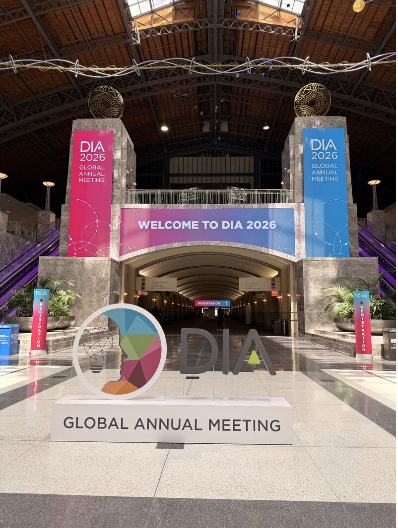
A few of our takeaways from the sessions:
1. Monitoring and safety review are moving from reactive to continuous. There was strong consensus that oversight is shifting from point-in-time, manual, and reactive toward continuous and automated.
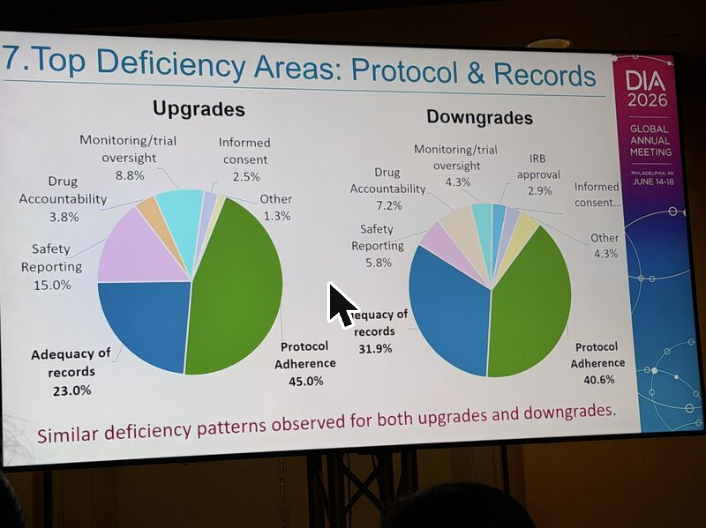
2. Protocol adherence and record-keeping drive inspection outcomes. In the FDA's data, the deficiencies that pushed an inspection's classification up or down were concentrated in two areas: protocol adherence and adequacy of records. The serious-sounding findings get the attention, but these are what actually move the outcome.
3. Regulatory signal exists, but it lives in disparate sources. There was an open call to bring together warning letters, 483s, inspection findings, and more, which currently sit siloed across disparate sources. The bottleneck isn't missing information — it's that no one is connecting it. (Spoiler alert: we've done this. Stay tuned for a future post!)
The hard truth
The rules themselves aren't always clear and easy to find. Guidance is scattered across agencies and documents, and teams are stitching it together by hand. What gave us optimism was watching three regulators from three continents share openly, and hear how we are all moving toward the same goals.
Drug development improves the more we open up and connect what already exists. That's the work ahead, and it's worth it for patients everywhere.